How to get started with gambling a beginner's guide
How to get started with gambling a beginner's guide
Understanding the Basics of Gambling
Gambling is the act of wagering money or something of value on an event with an uncertain outcome, primarily with the intent of winning additional money. The various forms of gambling range from betting on sports to playing card games and slots in a casino setting. For beginners, it’s essential to grasp the fundamental principles, including the odds, payouts, and the different types of games available. Understanding these basics will provide a solid foundation for your gambling journey, especially when exploring payid casinos that cater to new players.
Before diving into specific games, it’s crucial to know the risks involved. The excitement of potential winnings often overshadows the reality of possible losses. Many new gamblers underestimate how quickly they can lose money, especially when they chase their losses. By setting a budget and adhering to it, beginners can enjoy gambling responsibly while minimizing financial risk. Knowledge of the rules and the house edge of each game can significantly enhance one’s strategy.
Additionally, familiarize yourself with terms commonly used in gambling. For instance, understanding terms like “bankroll,” “odds,” and “house edge” can help beginners navigate the gambling landscape more effectively. Knowing these concepts can lead to more informed decisions, thus improving the overall experience. Ultimately, the goal is to enjoy the process while remaining cautious about the inherent risks associated with gambling.
Choosing the Right Gambling Game
Choosing the right game can significantly affect your enjoyment and success in gambling. Different games come with varying levels of complexity and strategies. For instance, slot machines are easy to play and require no previous knowledge, making them perfect for beginners. On the other hand, table games like poker or blackjack require a deeper understanding of strategies and rules. Evaluating your interests and comfort level is vital to making the best choice.
It’s also important to consider the potential returns of different games. Some games, like video poker, offer better odds compared to others, such as roulette. Understanding the RTP (Return to Player) percentage of various games can help you make a more informed decision. As a beginner, you might want to start with lower-stakes games that allow for more practice without significant financial risk, eventually moving on to more complex games as your skills improve.
Lastly, explore both online and land-based gambling options. Online platforms offer convenience and often provide bonus offers that can enhance your initial bankroll. However, physical casinos allow for social interaction and a unique atmosphere that many gamblers appreciate. Weighing the pros and cons of each option will help you find the best fit for your gambling experience.
Setting a Gambling Budget
Establishing a gambling budget is an essential step for any beginner. A budget will help you manage your finances while allowing you to enjoy the entertainment value of gambling. Consider how much money you can afford to lose without affecting your daily expenses or savings. This amount should be set aside exclusively for gambling activities, ensuring that you do not dip into funds meant for bills or necessities.
Once your budget is established, stick to it rigorously. It can be tempting to chase losses or increase your spending when you’re on a winning streak. However, maintaining discipline is crucial. Using a bankroll management strategy, such as the percentage method, where you only gamble a small percentage of your total budget on each session, can help prolong your gambling experience and mitigate potential losses.
Moreover, if you find yourself consistently exceeding your budget or feeling compelled to gamble more than you initially planned, it may be time to reconsider your approach. Responsible gambling practices ensure that the activity remains enjoyable and doesn’t lead to negative consequences in your personal or financial life. Seeking help from organizations focused on responsible gambling can also be beneficial if you feel that your gambling habits are becoming problematic.
The Psychological Aspects of Gambling
The psychological effects of gambling can be profound and multifaceted, especially for beginners. Many individuals are drawn to the thrill of winning, which triggers a release of dopamine in the brain. This ‘rush’ can create a cycle of wanting to experience that high again, often leading to further gambling. Understanding this psychological aspect can empower beginners to make more conscious choices about their gambling habits.
Moreover, gambling can serve as a form of escapism. Many people turn to gambling as a way to cope with stress, boredom, or other emotional issues. While it might provide temporary relief, relying on gambling as a primary coping mechanism can lead to more significant problems in the long run. Recognizing the motivations behind your gambling can help you maintain a healthier relationship with the activity.
Lastly, social interactions in gambling can both positively and negatively affect your experience. While some may find camaraderie and enjoyment in shared experiences at casinos, others might feel isolated when gambling online. It’s essential to strike a balance and consider engaging with others, either through local gaming events or online communities, to enhance your gambling experience while avoiding potential pitfalls associated with gambling addiction.
Finding Reliable Online Gambling Platforms
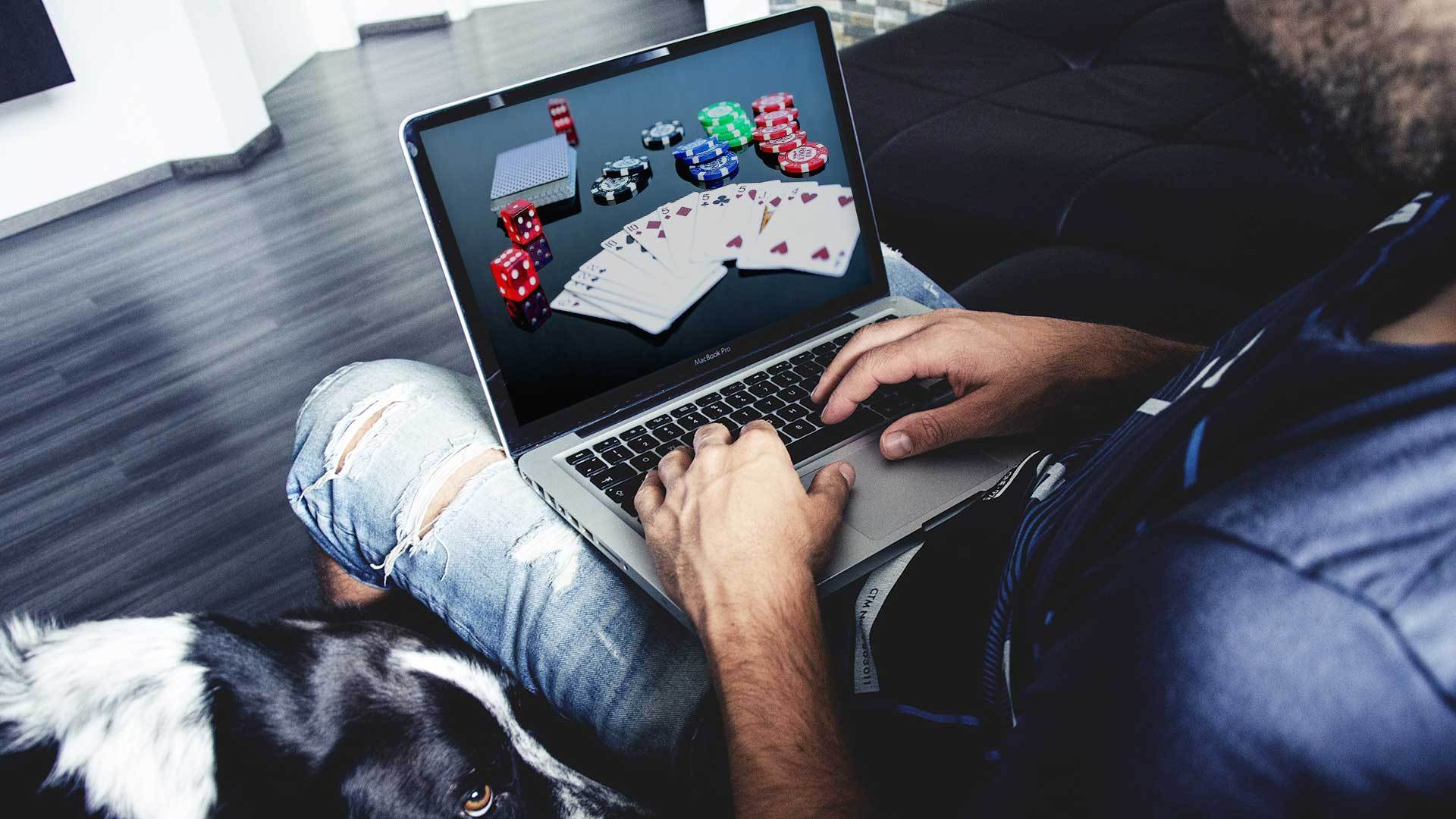
As a beginner venturing into the world of gambling, finding a reliable online platform is crucial for ensuring safety, security, and a positive experience. Start by researching casinos and gambling sites that are licensed and regulated. Trusted platforms often display their licenses prominently, allowing you to verify their legitimacy. Look for reviews and user testimonials to gain insights into the experiences of other players.
Another aspect to consider is the variety of games offered on the platform. A reputable gambling site will provide a diverse range of options, from slots to table games and live dealer experiences. This variety not only enhances your gambling experience but also allows you to experiment with different games as your skills develop. Additionally, ensure that the platform offers secure payment methods, protecting your financial information during transactions.
Moreover, excellent customer service is a hallmark of a reputable gambling site. Reliable platforms should offer various ways to contact support, such as live chat, email, or phone. Quick response times and knowledgeable representatives can significantly enhance your experience, especially if you encounter issues or have questions while navigating the site. By prioritizing these factors, beginners can choose a gambling platform that aligns with their needs and preferences, setting the stage for a fulfilling experience.